About Me

Early research

My research career began as an undergrad doing field biology work, including a summer at a Temburong Jungle Outpost in Brunei with University of Brunei Darussalam students studying gibbons and microhylid frogs (shout out Dr. David McLeod). Back at James Madison University, I joined Dr. Chris Berndsen’s biochemistry lab and learned to express and purify ubiquitin-like proteins from E. coli using size-exclusion and ion-exchange chromatography. I later joined Dr. Kathlynn Brown’s cancer biology group at SRI International’s Center for Macromolecular Bioscience as a student associate. There, I helped maintain mammalian cell cultures and evaluated peptide drug candidates in non-small cell lung cancer (NSCLC) models using flow cytometry and Western blotting, with day-to-day mentorship from the great Dr. Michael McGuire.
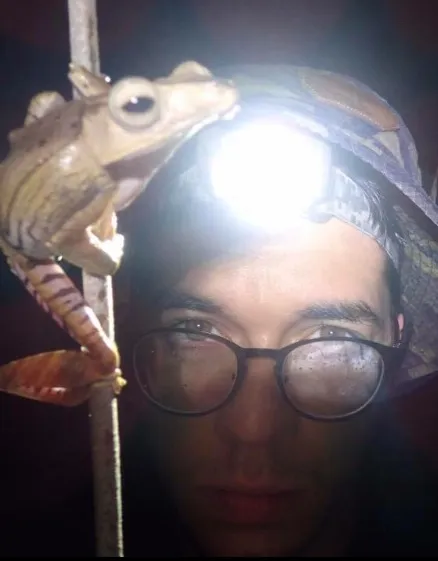
Field research photo from Temburong Jungle, Brunei.
In Brunei's Temburong Jungle.
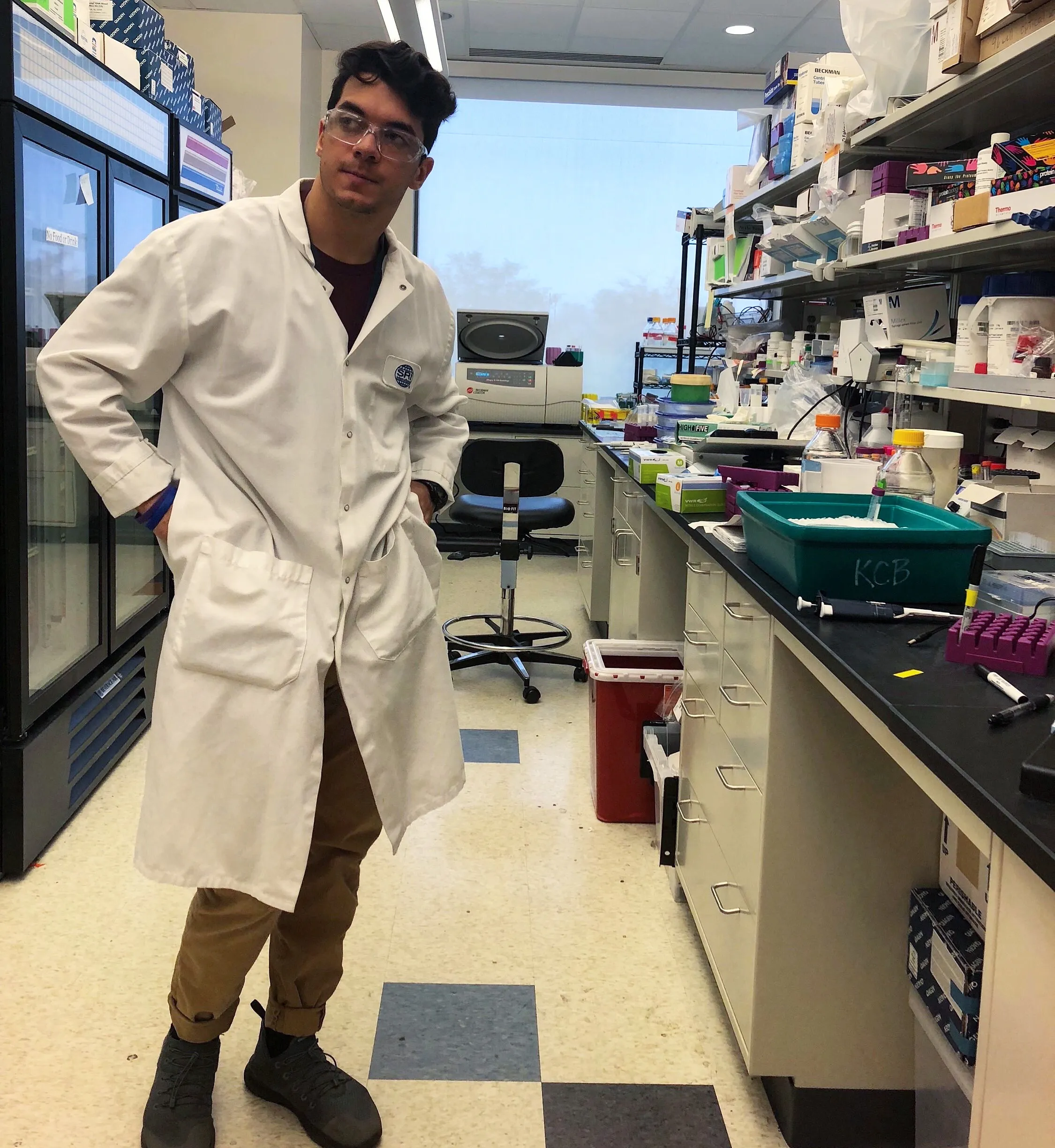
Photo from SRI International laboratory work.
At SRI, I supported NSCLC cell culture (H2009, H358, HBEC) and ran peptide uptake assays.

Stepping into synthetic biology

During a summer in the Berndsen lab, I was reading papers in the hallway over lunch when I first stumbled across the phrase “synthetic biology.” I got hooked and started looking for ways to practice biological design. The next semester, I collaborated with faculty to launch an iGEM-inspired course at JMU and led a student team to design a mercury sequestration system in E. coli for bioremediation purposes. Helping build and teach the course reinforced my interest in bioengineering and earned me an Excellence in Biotechnology Leadership award. That momentum led me to pursue a Master of Research (MRes) in Systems and Synthetic Biology at Imperial College London.

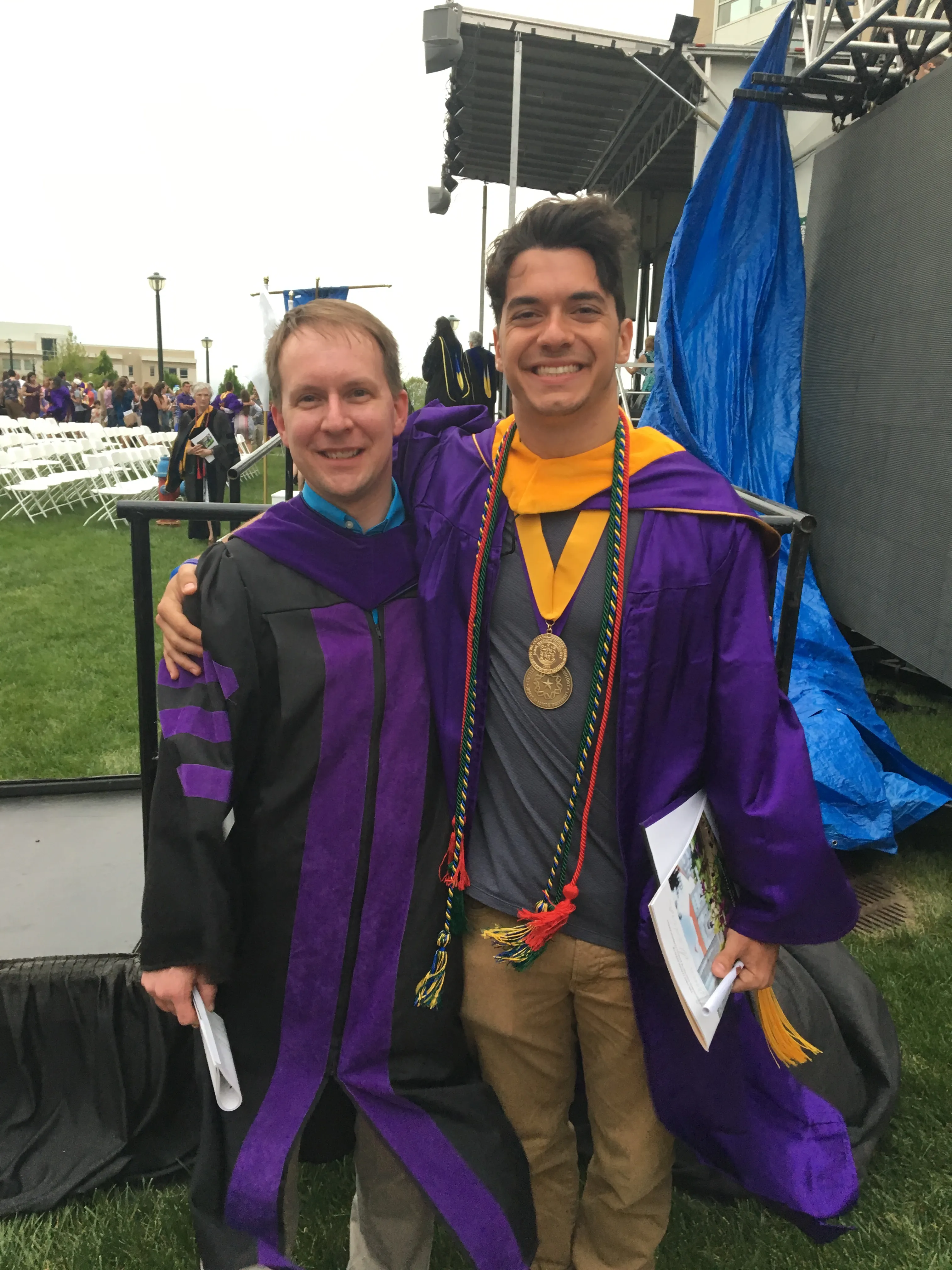
Graduation photo from James Madison University.
Pictured: Dr. Chris Berndsen (left) and me (right) (thanks for helping me take my first wet-lab steps, Chris!).
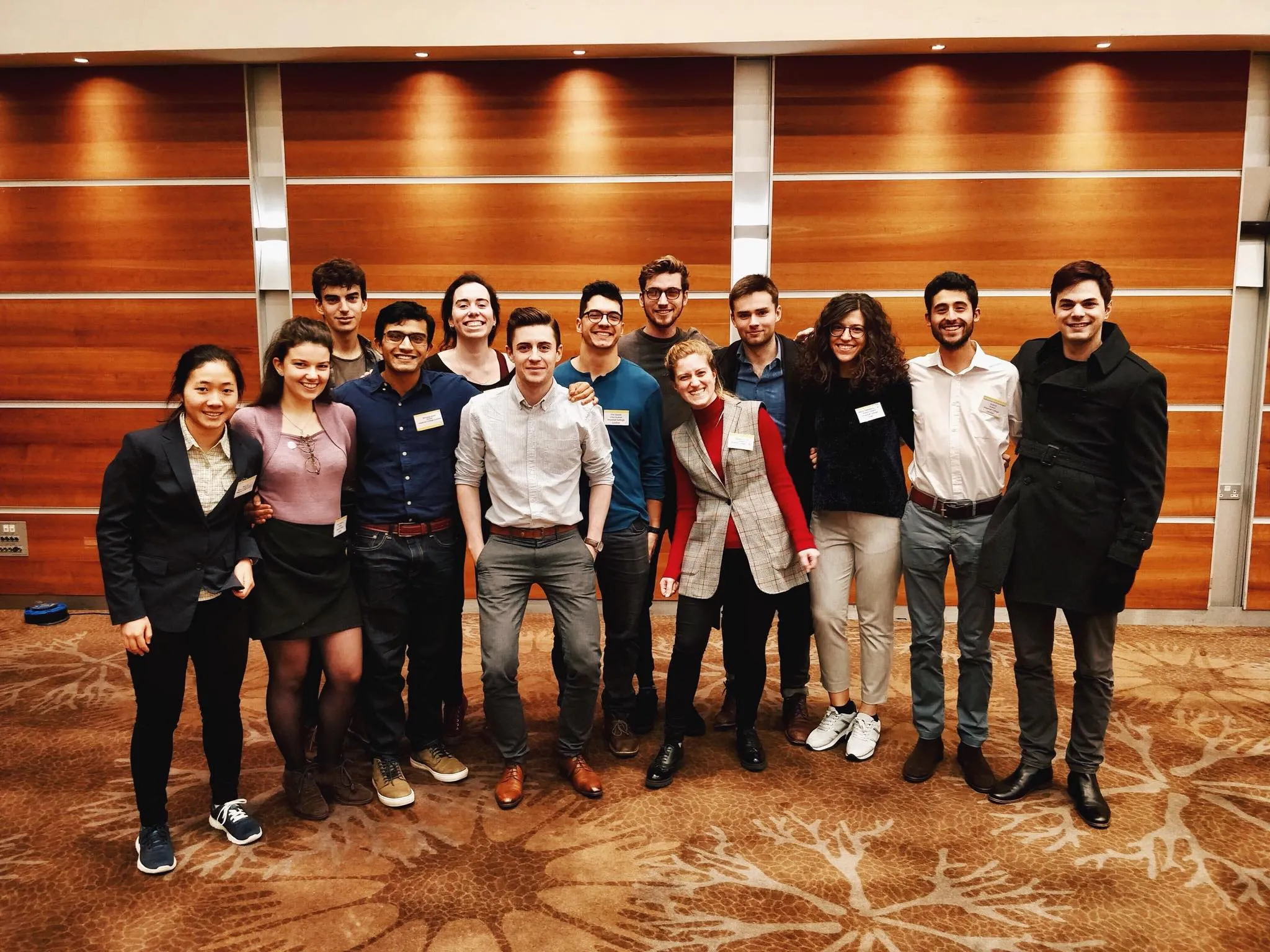
MRes cohort photo at Imperial College London.
My MRes cohort in Systems and Synthetic Biology at Imperial College London.

Imperial / Crick training

My MRes combined a series of taught modules with a nine-month research project carried out across Imperial and the Francis Crick Institute, advised by Dr. Rodrigo Ledesma-Amaro and Dr. Markus Ralser. The coursework covered deterministic and probabilistic modeling, experimental and theoretical systems biology, and core synthetic biology methods. For my project, I built a lab automation-enabled co-culture screening platform and paired it with an R analysis pipeline to map cross-feeding interactions across an auxotrophic yeast knockout library. The screens identified strain pairs that grew poorly alone but showed synergistic growth together. I received Imperial’s Outstanding Student Award and graduated first in my class.

I got to design a physical workflow involving Biomek liquid handlers and the Singer ROTOR HDA colony picker (shown), enabling high-throughput yeast co-culturing assays.
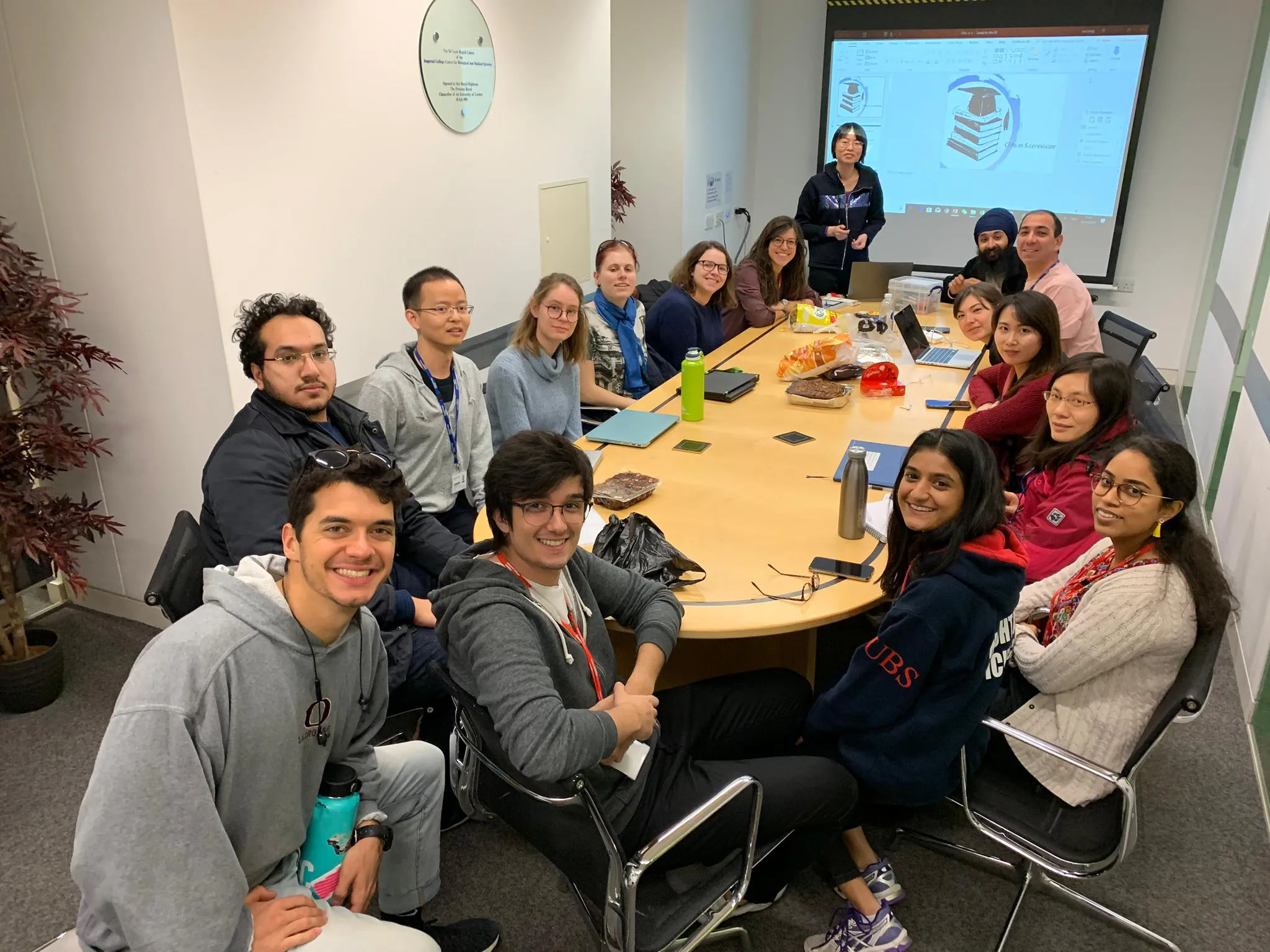
Group photo from the Ralser group at the Francis Crick Institute.
The Ralser group at the Francis Crick Institute was my systems biology home base, and I learned a lot from Lucia and Simran (thanks to them both!).
Training photo from Imperial College London.
At Imperial, PCR machines were in hot demand! Special thanks to Rodrigo and Huadong for their mentorship in DNA assembly and genetic circuit design.
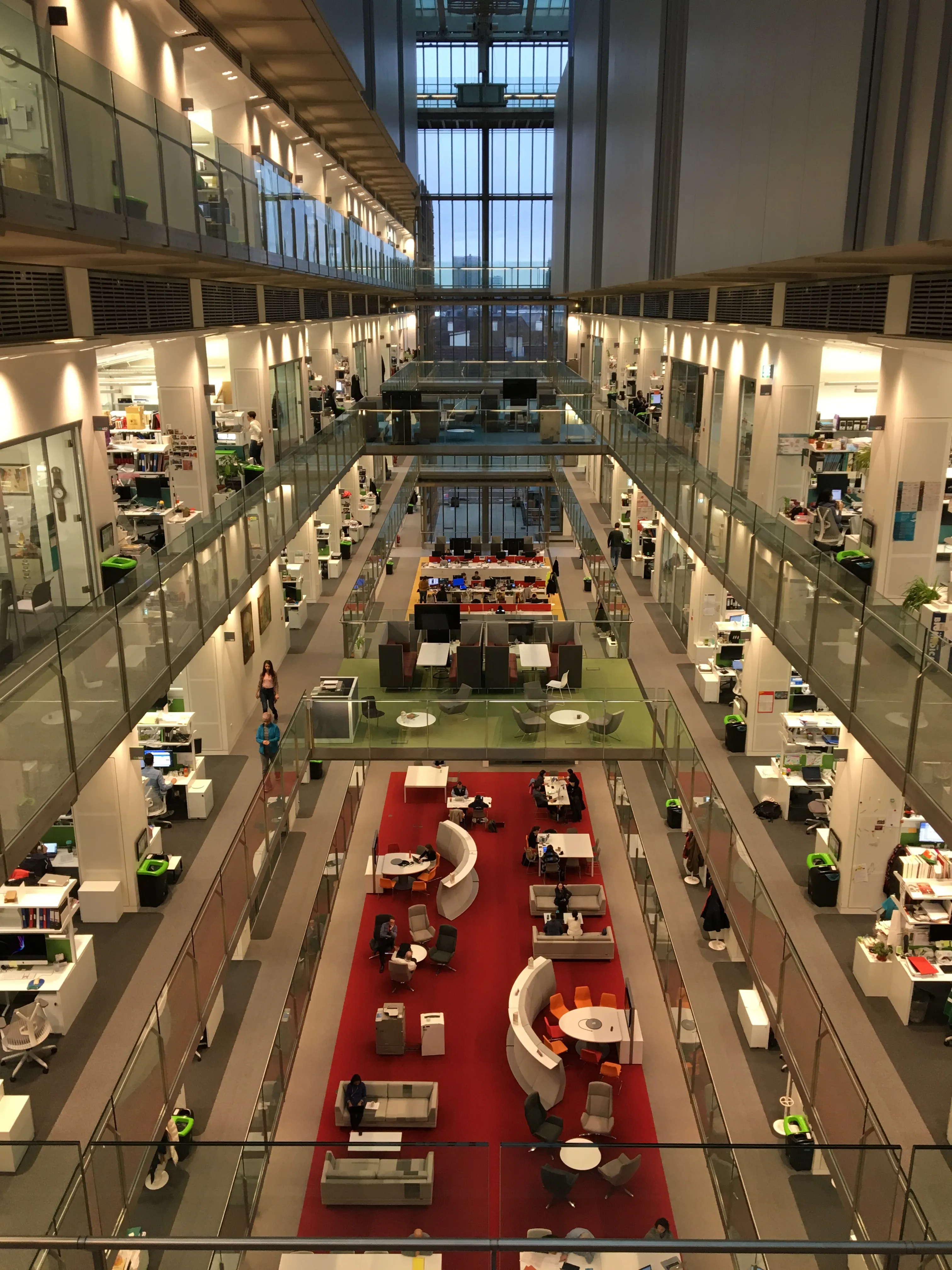
Exterior of the Francis Crick Institute building.
Working at the Crick was such a fun experience.

Exploring London's biotech ecosystem

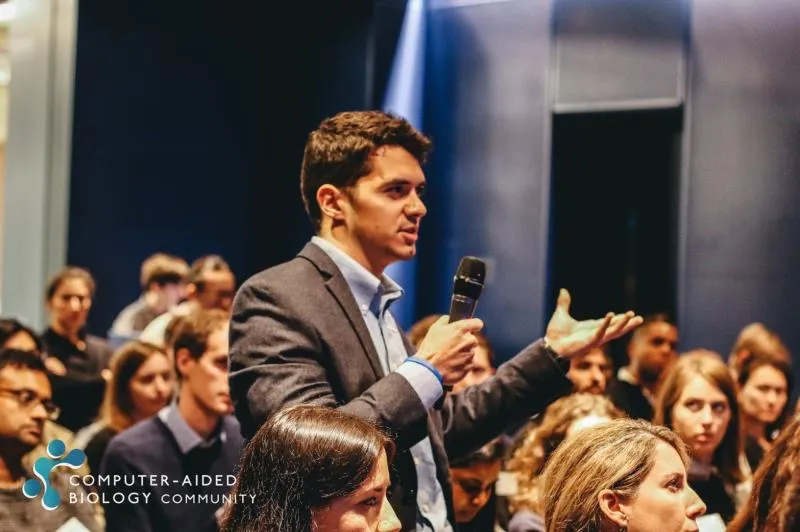
Alongside my research in London, I got involved in the local biotech and startup community through groups like London’s Computer-Aided Biology group and the Science Entrepreneur Club. As an outreach manager, I helped recruit speakers and organize events, including pitch competitions for local biotech startups.

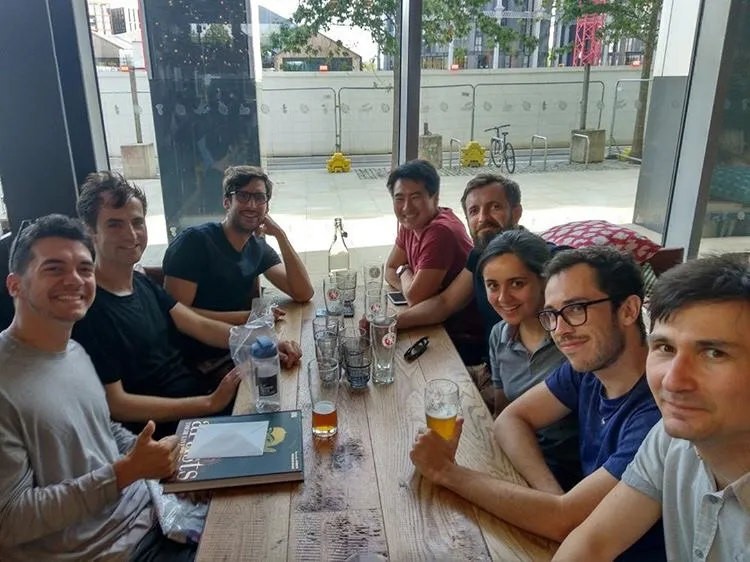
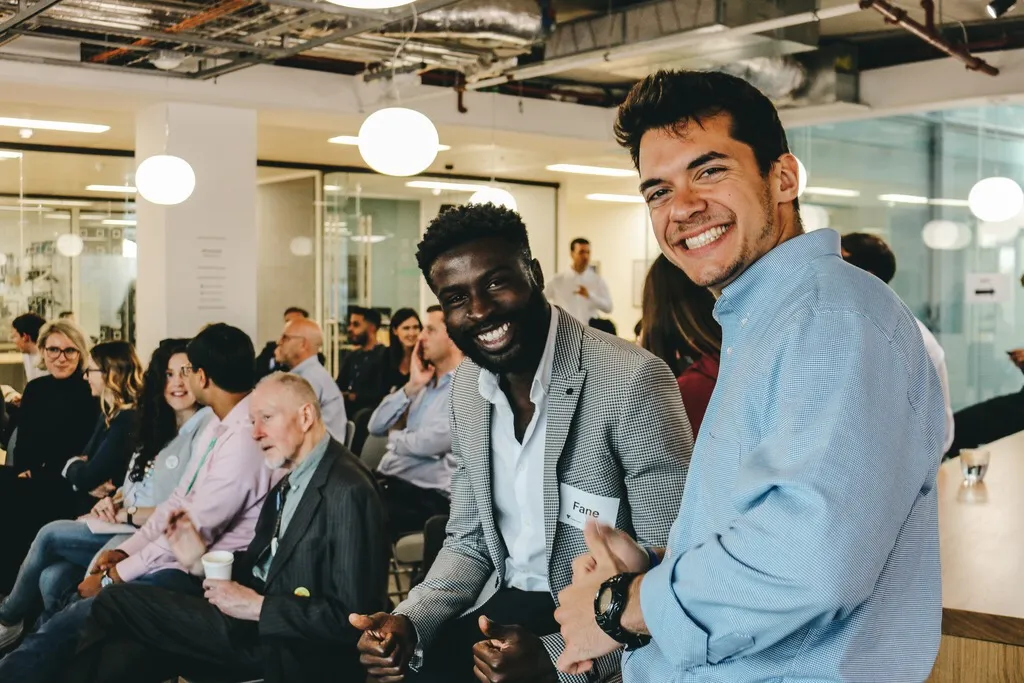
Photo from a Science Entrepreneur Club event in London.
Shout out to the Science Entrepreneur Club. Dr. Fane Mensah (left) and I at a startup pitch competition.
Photo from a London CAB community event.

PhD at Boston University

Over time, it became clear that the best teams I’d come across were combining biology, engineering, and computation at a deep technical level. That blend motivated me to continue my training at Boston University, joining the Molecular Biology, Cell Biology, and Biochemistry PhD program and working within the Biological Design Center. There I connected with Dr. Mary Dunlop, and our early conversations quickly converged on a shared enthusiasm for designing synthetic genetic circuits that don’t operate as orthogonal systems that simply reside in cells, but instead are built to sense and work with the host cell’s native regulatory machinery.

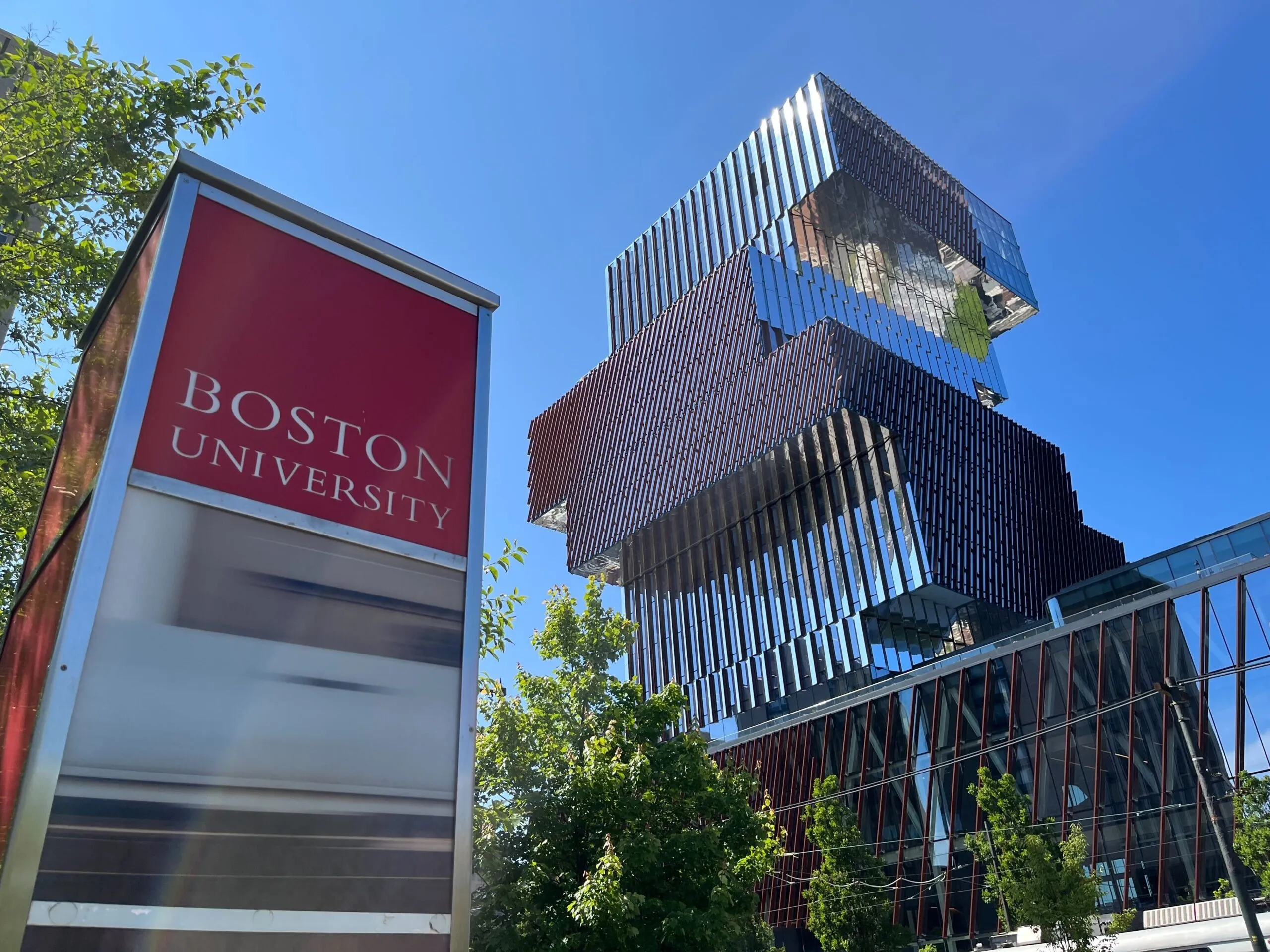
Boston University campus photo.
Learning how to juggle multiple research projects.
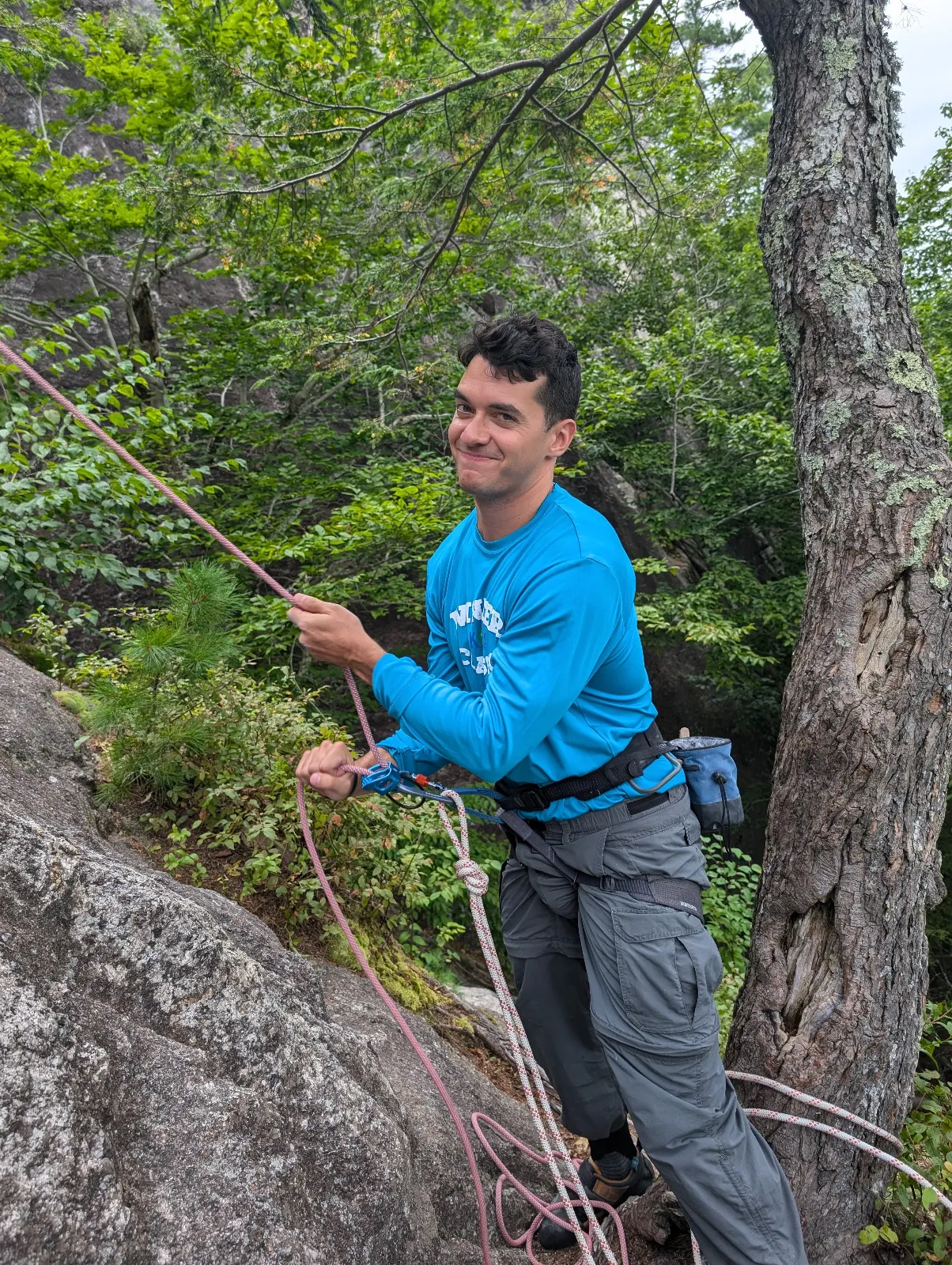
Climbing belay photo.
We had a solid climbing crew in the Dunlop lab!

Early PhD work in metabolic engineering

My first PhD project focused on metabolic engineering for limonene production in E. coli. Limonene biosynthesis through the mevalonate (MVA) pathway involves multiple enzymes and intermediates, and productivity can drop when gene expression is imbalanced, allowing toxic intermediates to accumulate. To explore this design space, we built a four-input transcriptional circuit based on the Voigt lab’s Marionette chassis, using small-molecule inducers to independently tune different parts of the MVA pathway. Around this time, I served on the Engineering Biology Research Consortium Student and Postdoc Association (EBRC-SPA) board and helped organize panels connecting trainees with industry scientists. That work led to a summer internship at LanzaTech in Chicago, where I contributed to genetic tool development for gas-fermenting strains and helped establish experimental and computational workflows for pooled DNA library design, high-throughput screening, next-generation sequencing, and biosensor development.

Everything is a little bit harder in a glovebox.
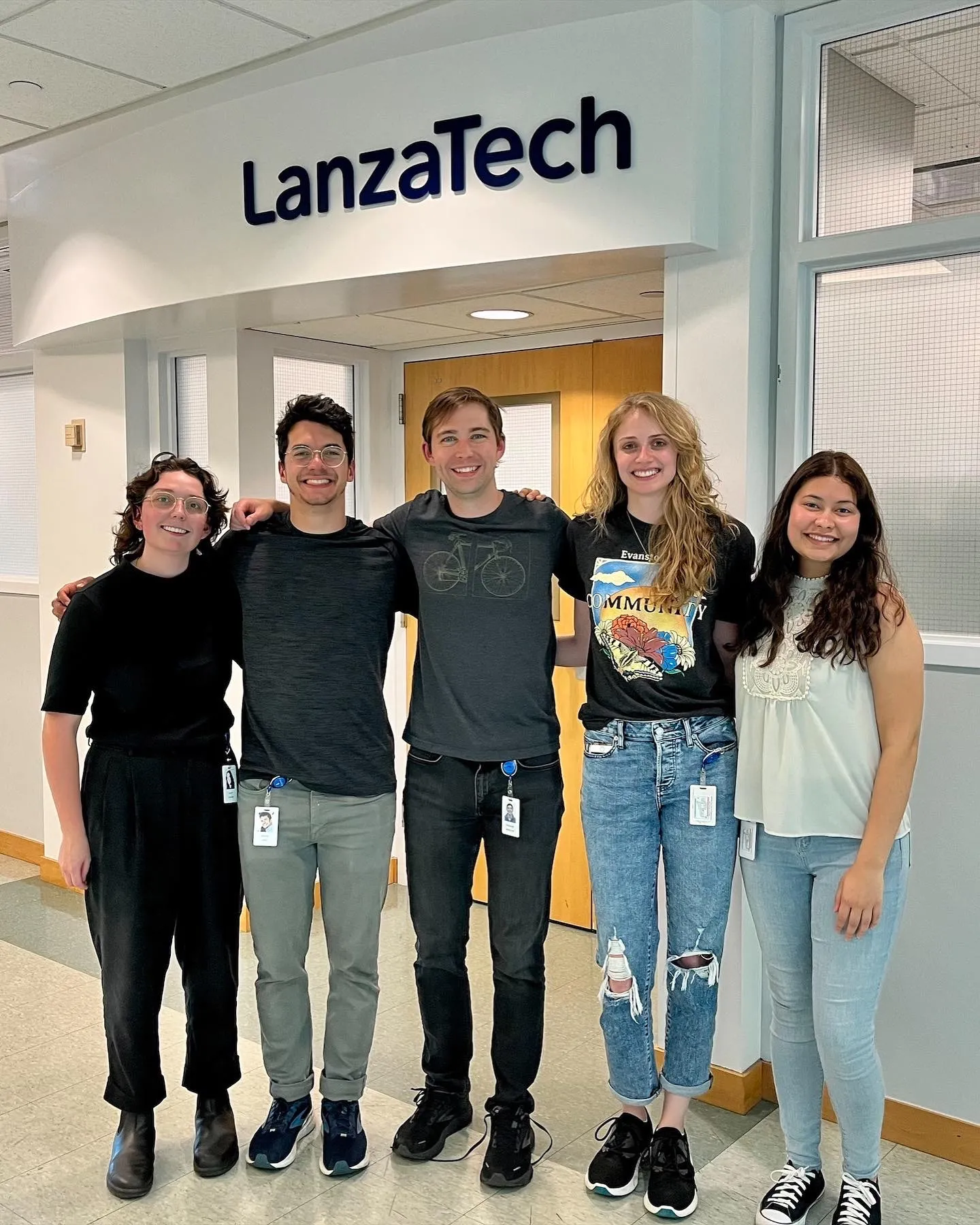
Group photo from a LanzaTech internship in Chicago.
Shout out to the NGS team at LanzaTech and a special thanks to Nick Fackler (center) for all his mentorship that summer.

Molecular sequence design

Since returning to Boston, I’ve focused the second half of my PhD on an idea that motivated me from the start, building genetic circuits that can interact with native cell machinery and steer adaptive responses. To get there, I’ve been developing new cloning methods, improving promoter design workflows, and testing where LLMs can add real value in biological sequence design. Stay tuned!

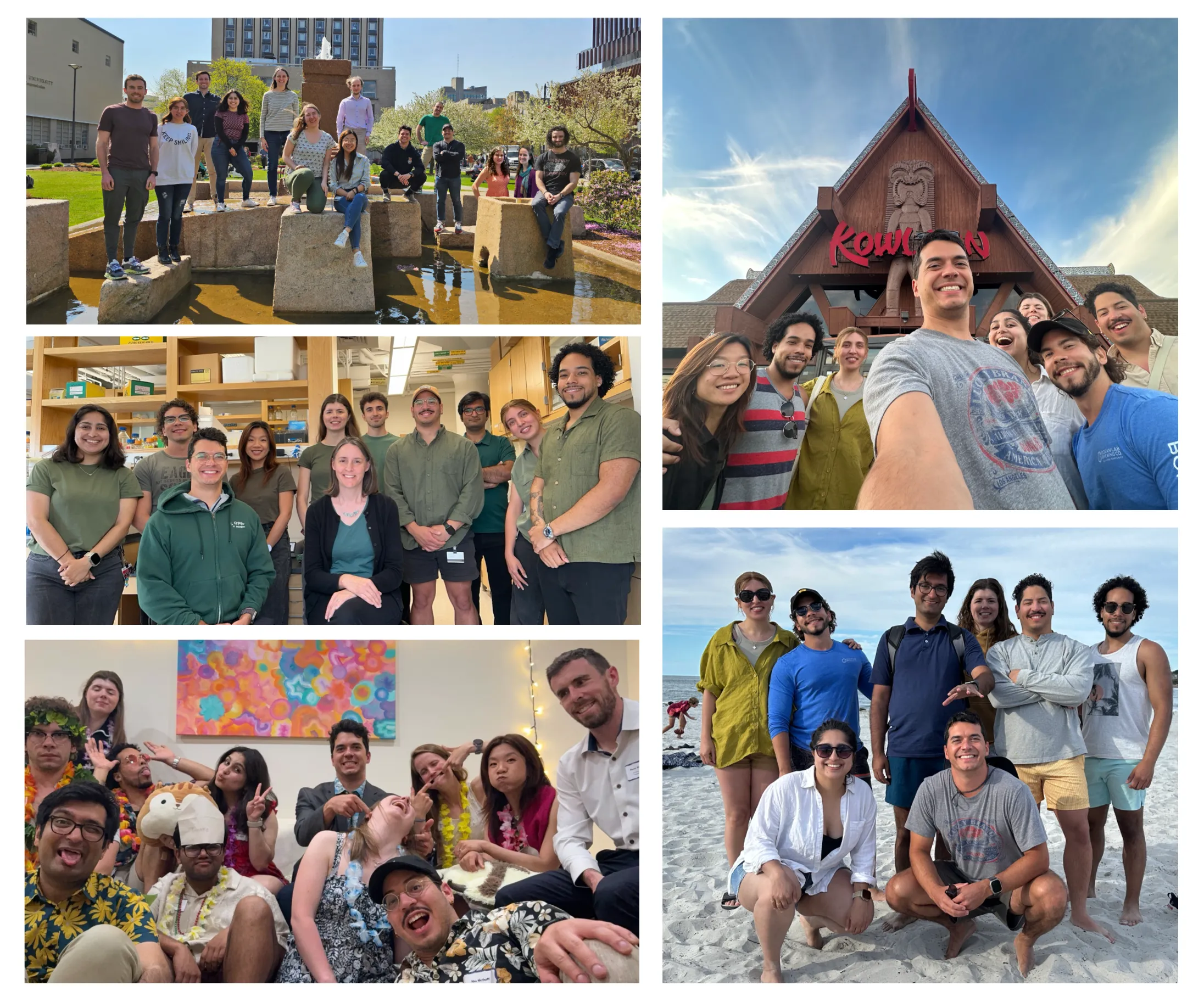
Photo from the Dunlop Lab.